HISTORY
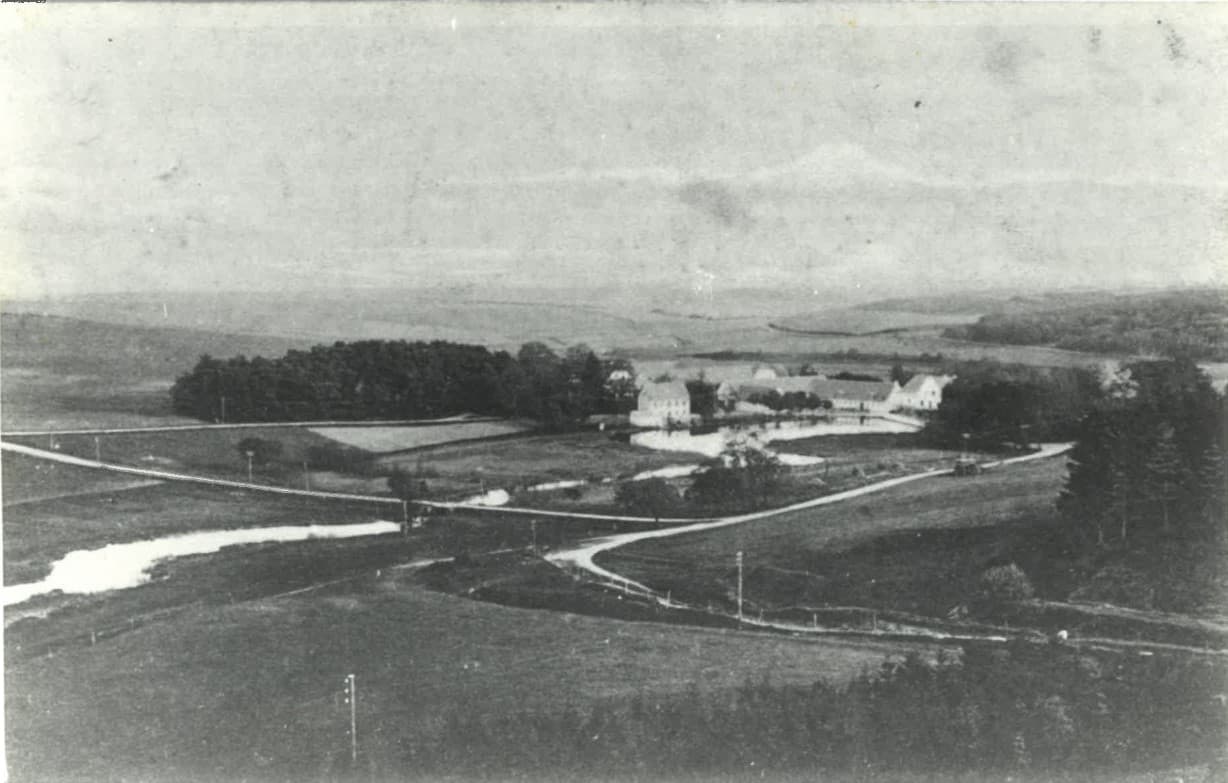
The place got the name Kongsvad simply because the king waded across the stream. King Niels, who ruled the country from 1104 to 1134, came to visit and used the ford, which was called Kongsvad. Kongsvad Mølle was established as a monastery mill in the 12th century by Glenstrup Kloster. Benedictine monks from Glenstrup Monastery were diligent mill builders. It is said that the monks got drunk and what was worse, the monastery fell into disrepair and was taken over by the mighty Mariager Monastery.
After the Reformation in 1536, Kongsvad mill passed along with the rest of the monastery estate to the king.
Frederik the 3rd left the mill to councilor Marselis between 1630-40, and his family sold it on to the estate Overgård, who ran the mill as a fiefdom. At one point, the widow of Overgård sells the mill with the associated farm and land to the tenant farmer.
When the monastery existed, it owned both a mill, the right to vote in Glenstrup Lake and an eel chest at the outlet from the lake. After the Reformation, the farmers owned the eel chest, while the crown and later changing millers owned the right to vote, which resulted in several disputes. When the miller had to use more water, the eels fell out of the chest, and trouble ensued.
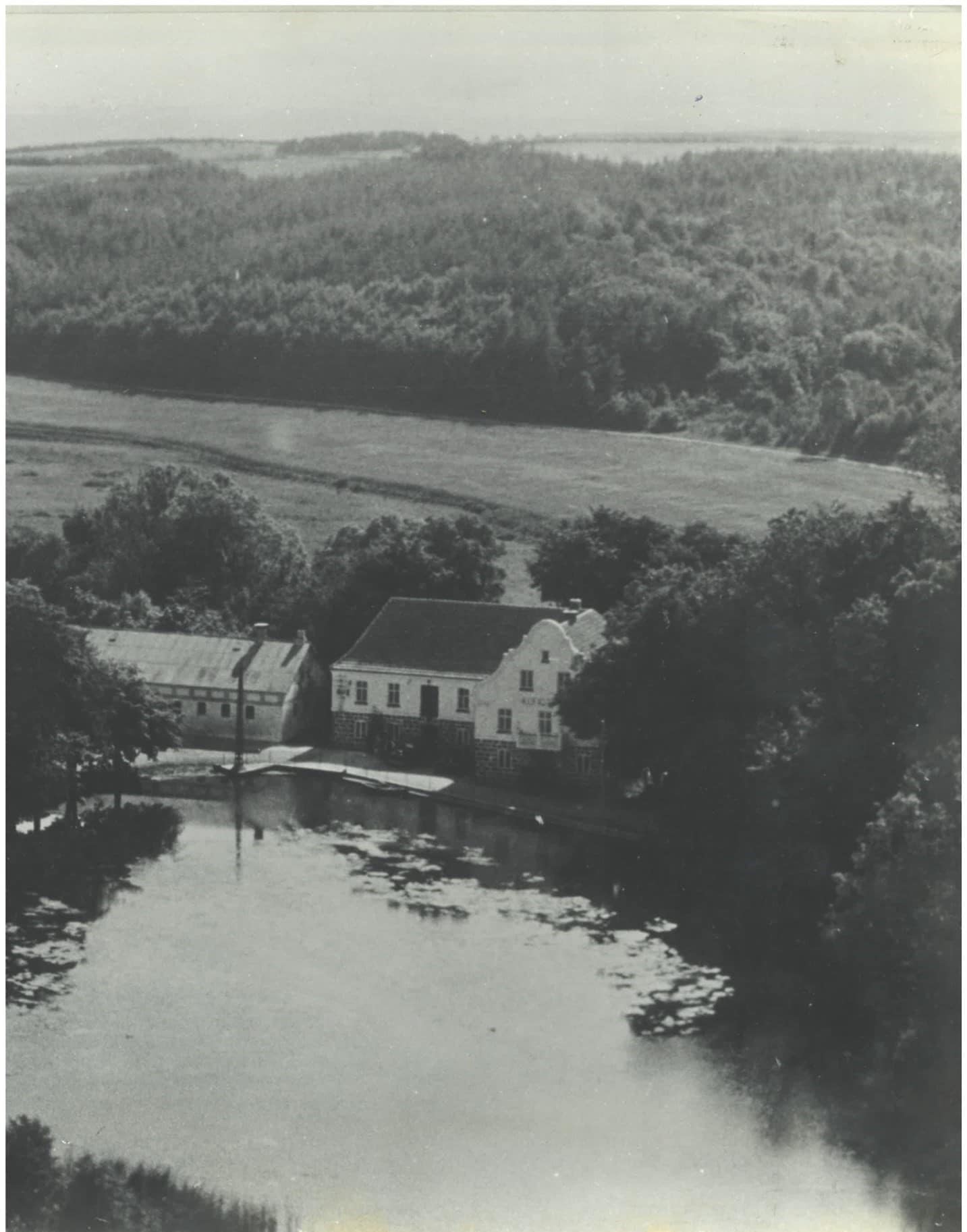
In the late 1800s, the mill was expanded with a turbine and generator and supplied the surrounding farms with direct current.
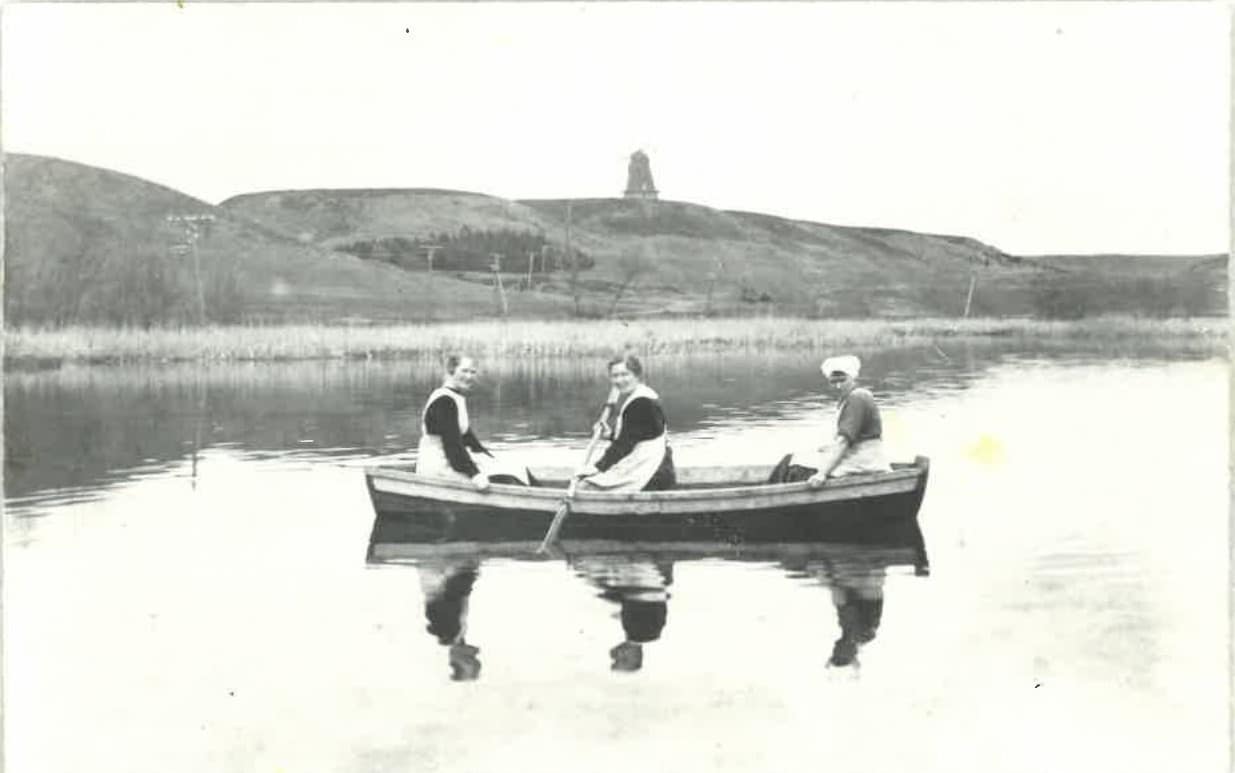
In 1910, the power plant bought a windmill so that even more electricity could be made. The mill blew down in a storm, but the foundation still stands and towers over the valley.
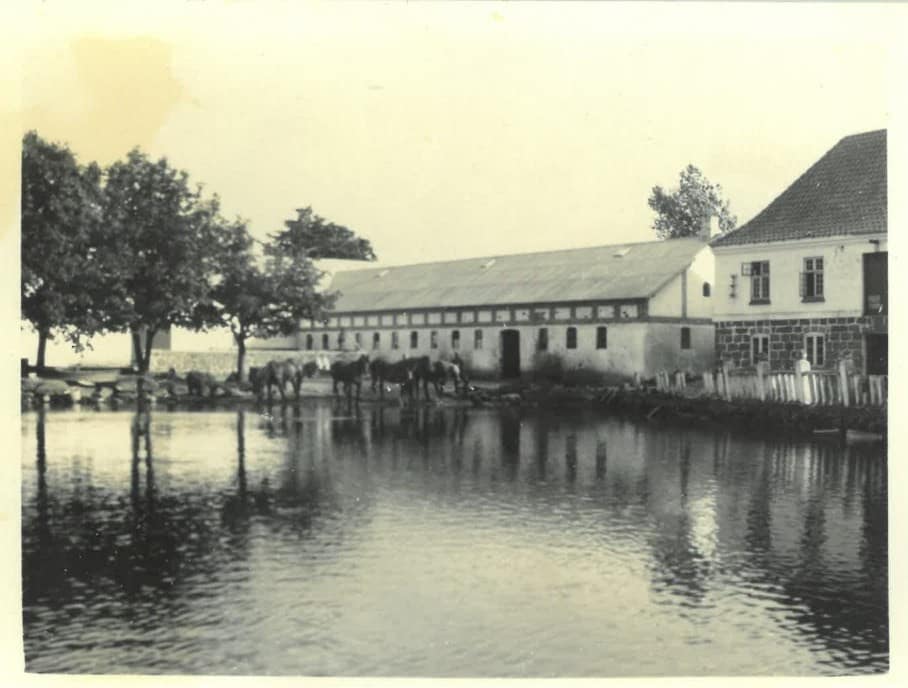
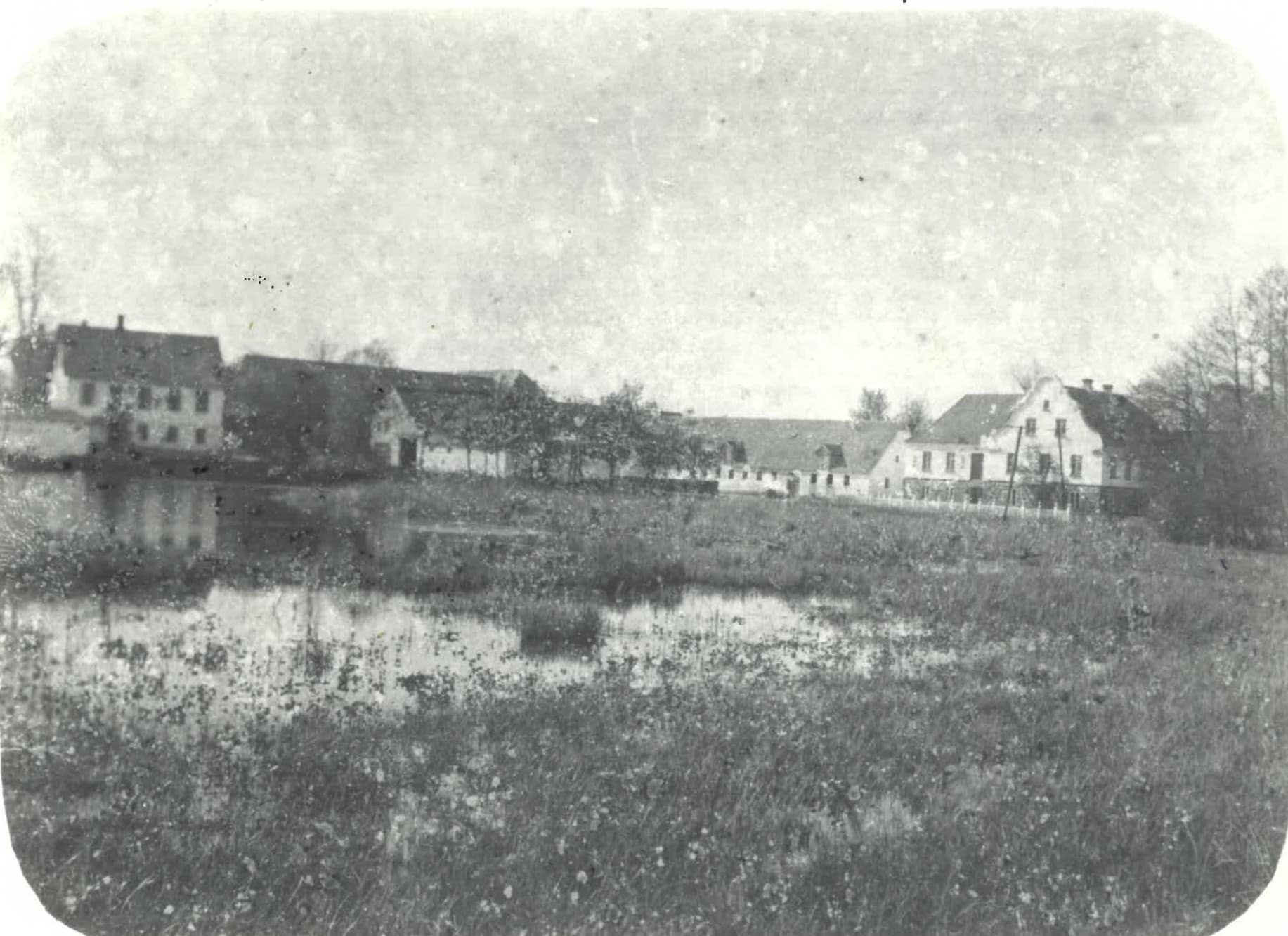
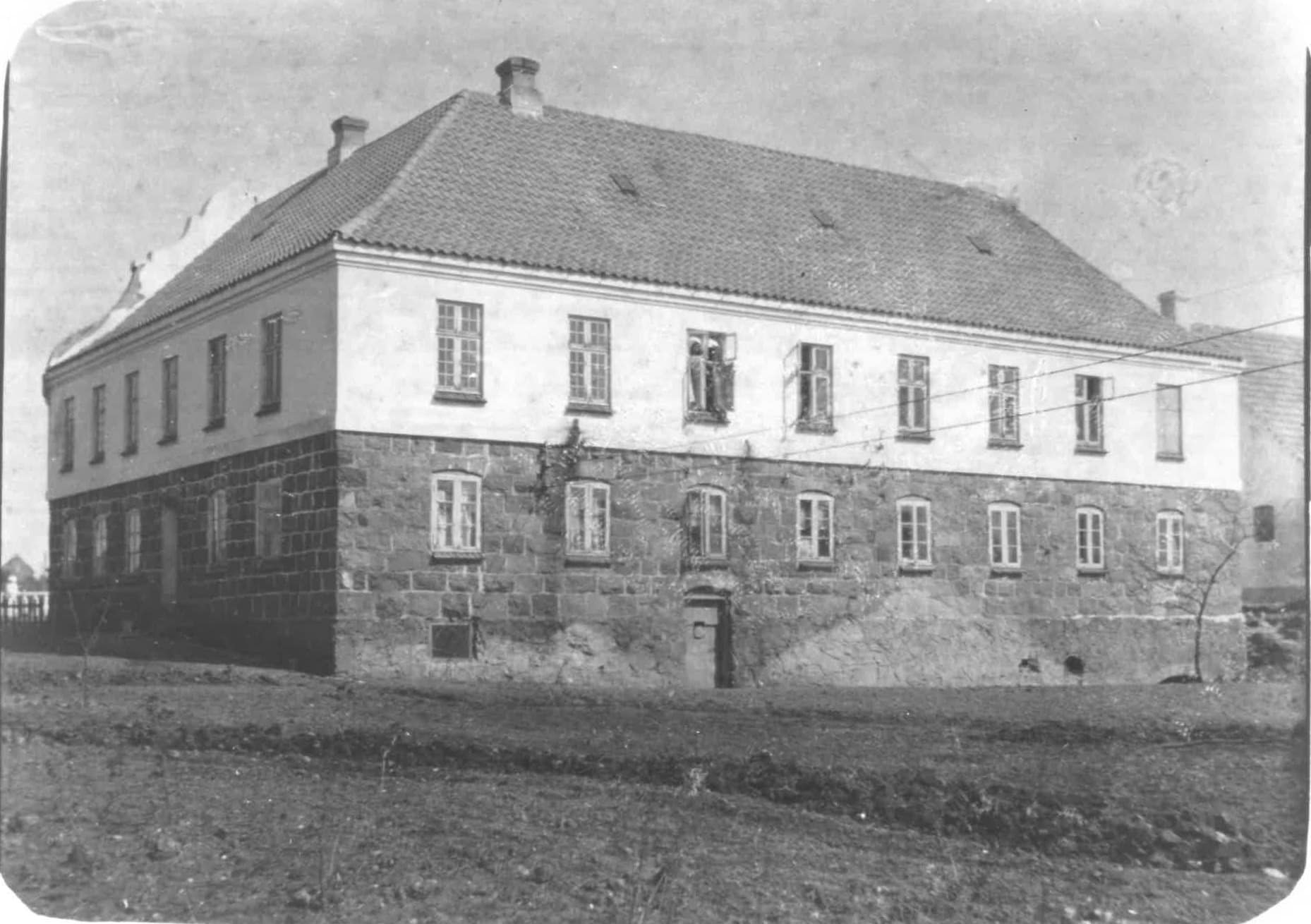
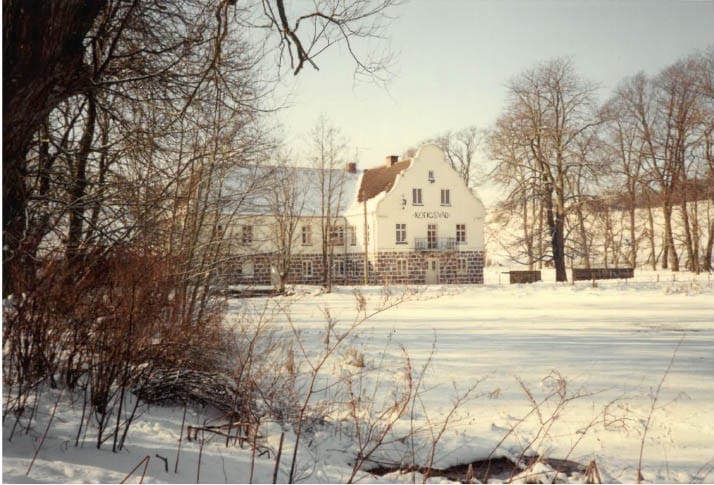
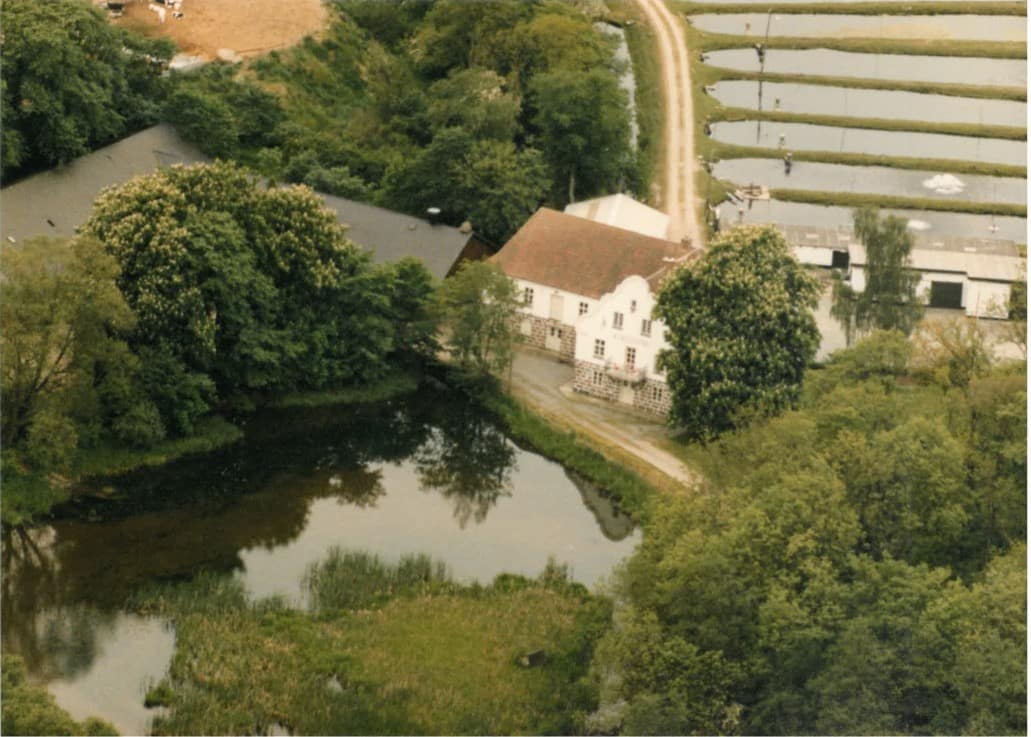
Kongsvad Mill burned in 1916 due to a short circuit. However, it was rebuilt to what we see today.
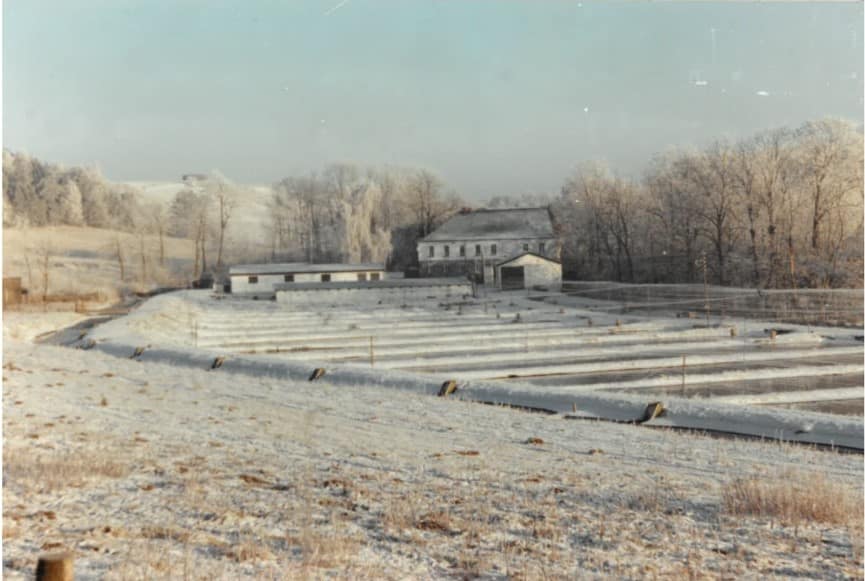
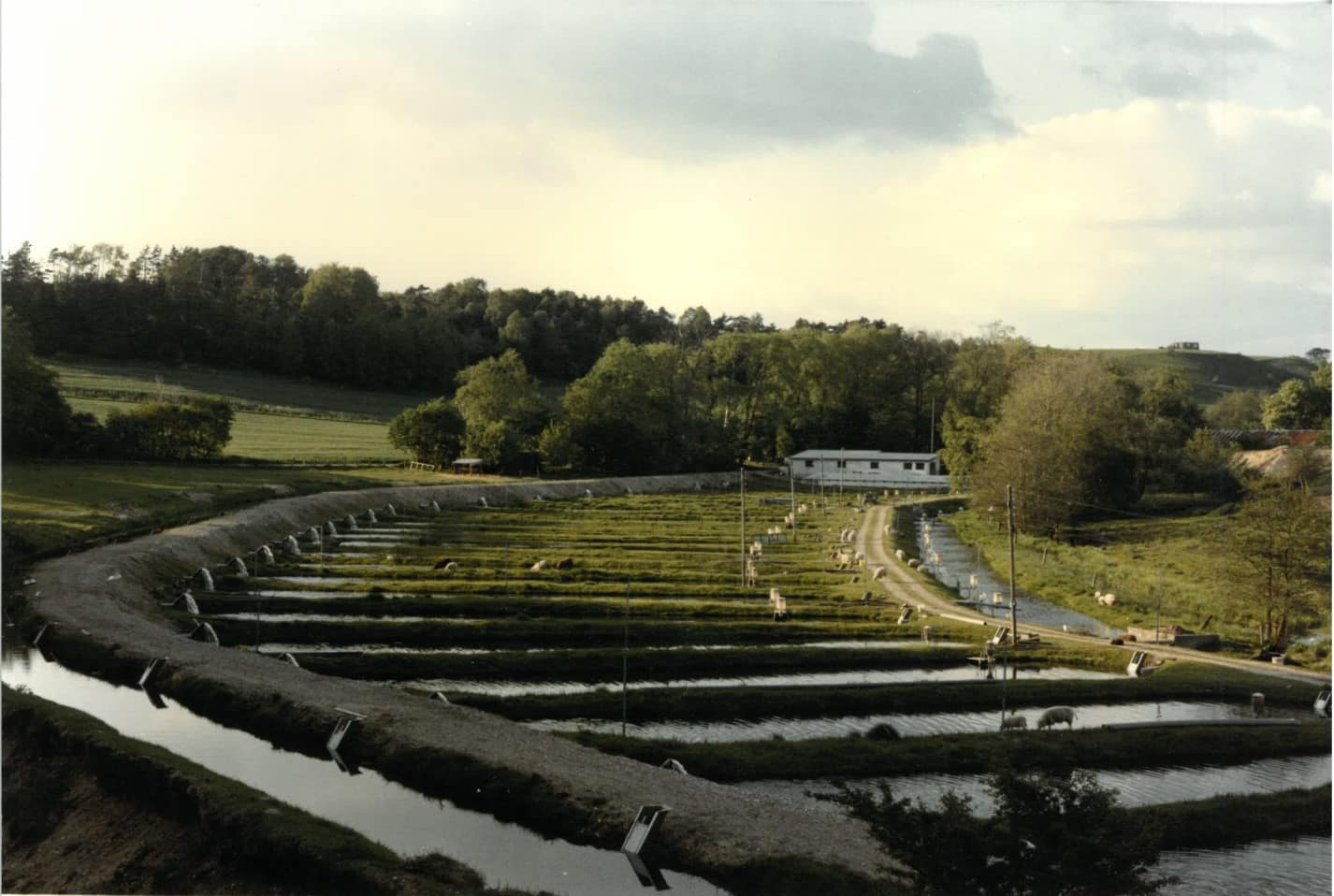
It was not until 1952 that electricity production ceased, and in 1957 the mill was sold to Glyngøre Fiskeindustri and turned into a fish farm, which only stopped production when the Danish Forest and Nature Agency bought the fish farm in 2007/8.